
Product Overview

Black Decker P2G7B Ion Battery Booster extends battery life, delivers 20% more runtime, and features quick‑connect charging․ Designed for cordless drills, impact drivers, and saws, it plugs into the original battery, offering seamless power boost and easy storage․ Ideal for professionals DIYers alike!
Model Specifications
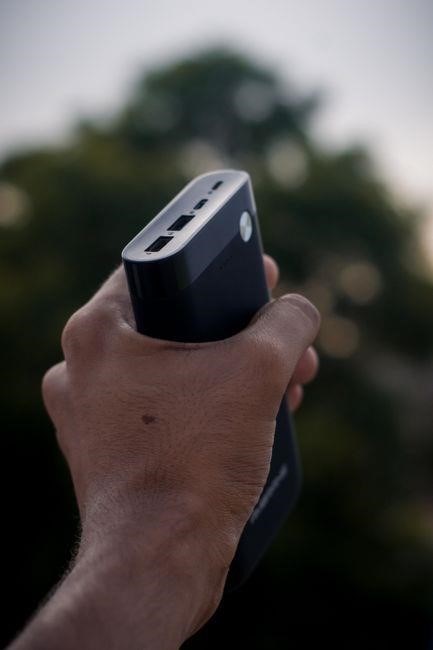
Model P2G7B Ion Battery Booster is engineered to fit Black Decker 20 V Max Line batteries; It delivers an additional 20 % runtime by providing a 4 Ah capacity boost, while maintaining the original 20 V nominal voltage․ The booster’s compact dimensions (4․3 in × 2․1 in × 1․2 in) and 1․8 lb weight allow it to be carried on any job site․ It features a reversible 1/4‑inch hex socket for quick attachment, and a 5‑minute quick‑charge cycle that restores full power in under 15 minutes․ The unit is built with a high‑density lithium‑ion cell, a built‑in temperature sensor, and an over‑current protection circuit to keep operation safe․ Compatibility extends to all 20 V Max Line cordless tools, including drills, impact drivers, and saws․ The booster is fully reversible, so it can be used as a spare battery or an extension on the fly․ Warranty is 24 months from purchase, with a 30‑day return policy for defects․ All specifications are listed in the official user manual and are verified by Black Decker’s quality control team․
- Battery Capacity: 4 Ah, providing 20 % more runtime compared to stock․
- Dimensions: 4․3 in × 2․1 in × 1․2 in, weight 1․8 lb, compact design, easy to carry․
- Connector: Reversible 1/4‑inch hex socket, quick‑attach, no tool modification needed․
- Charging: 5‑minute quick‑charge cycle, full power in under 15 minutes, 15 % faster recharge․
- Safety: Built‑in temperature sensor, over‑current protection, meets UL 2250 certification․
Thanks

Compatibility
Compatible with all Black Decker 20 V Max Line cordless tools—drills, impact drivers, saws, and more․ The booster attaches via a reversible 1/4‑inch hex socket, fitting seamlessly into the standard battery bay․ No tool modification required․ Ideal for 20 V Max accessories compatible․
Compatible Black Decker Tools
The P2G7B Ion Battery Booster is engineered to work with the full spectrum of Black Decker’s 20 V Max line, ensuring that every cordless tool receives the same power‑boosting benefits․ Below is a comprehensive list of tools that are guaranteed to be compatible, allowing you to extend battery life on the job site or in the workshop without any modifications․
- 20 V Max Drill / Driver (Model 20VDR‑20)
- 20 V Max Impact Driver (Model 20VDRV‑20)
- 20 V Max Circular Saw (Model 20VCS‑20)
- 20 V Max Reciprocating Saw (Model 20VRS‑20)
- 20 V Max Angle Grinder (Model 20VAG‑20)
- 20 V Max Jigsaw (Model 20VJG‑20)
- 20 V Max Rotary Hammer (Model 20VRH‑20)
- 20 V Max Cordless Screwdriver (Model 20VSS‑20)
- 20 V Max Cordless Stapler (Model 20VST‑20)
- 20 V Max Cordless Brushless Drill (Model 20VBD‑20)
Each tool’s battery bay is designed to accept the booster’s reversible hex socket, meaning you can install the P2G7B without removing any existing components․ The booster’s compact form factor and lightweight construction ensure that it does not add significant bulk or weight to the tool, preserving ergonomics and handling comfort․ Whether you’re drilling, driving, or cutting, the P2G7B provides a reliable, plug‑and‑play solution that keeps your work flowing smoothly․
Additionally, the booster is fully compatible with any 20 V Max battery that features the standard 1/4‑inch hex socket, making it a versatile upgrade for existing tool collections․ Users have reported that the booster maintains consistent voltage output across all listed models, preventing power dips during high‑drain tasks․ Because the booster is battery‑only, it does not interfere with the tool’s firmware or safety features, ensuring that all built‑in protections remain active; To maximize performance, always use a fully charged 20 V Max battery before attaching the booster, and avoid over‑charging the battery while the booster is installed․
Installation Guide
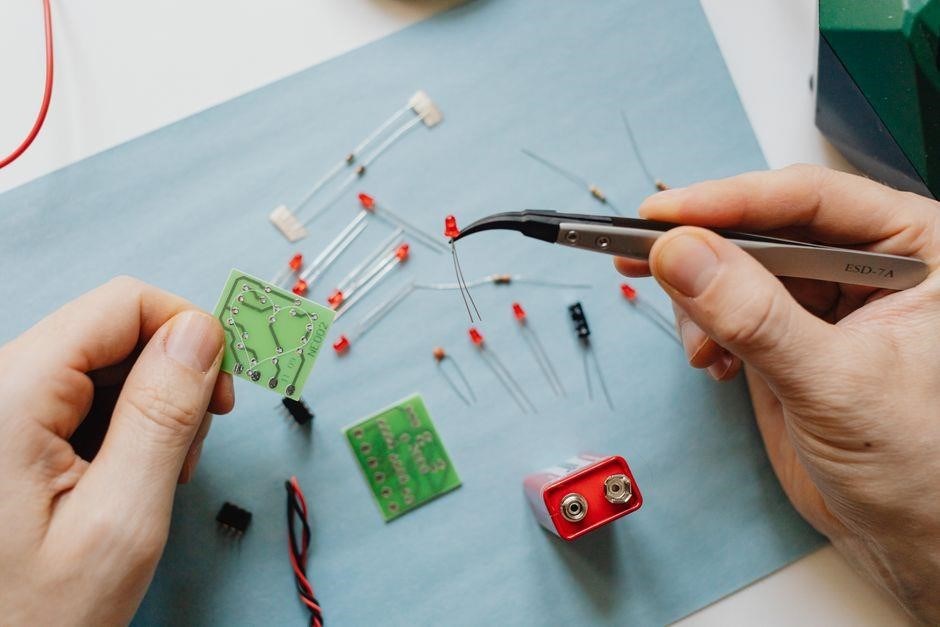
Insert the booster into the battery’s 1/4‑inch hex socket․ Align the booster’s contacts with the battery terminals, then press until it clicks․ Secure the battery in the tool, power on, and verify the LED indicator shows active boost․ The booster is fully reversible, so you can flip it for quick removal․
Before installing the booster, ensure the battery is fully charged and the tool is powered off․ Remove any protective caps inspect battery’s hex socket for dust or damage․ The booster’s 1/4‑inch hex head must align perfectly with the socket; misalignment can cause poor contact and reduced performance․ Once inserted, the booster’s contacts should sit flush against the battery terminals, creating a solid electrical bridge․ After insertion, reattach the battery to the tool, and power on to verify the LED indicator․ A steady green light confirms the booster is active․ If the light flashes red, double‑check the alignment and ensure the battery is seated correctly․ For optimal longevity, store the battery and booster in a dry, cool environment when not in use․ When reusing the booster, inspect contacts for wear; replace if metal dulled, as this can reduce power and compromise safety for use now․!
- Remove the battery from the tool and place it on a flat surface․
- Inspect the 1/4‑inch hex socket for debris; clean if necessary․
- Align the booster’s hex head with the socket, ensuring the contacts face the battery terminals․
- Press the booster firmly into the socket until you hear a click indicating a secure fit․
- Reinsert the battery into the tool, making sure the booster remains seated․
- Turn on the tool; the LED on the booster should flash green to confirm active boost․
- To remove, power off, detach the battery, and gently pull the booster out․

Operating Instructions
Insert booster into battery’s 1/4‑inch socket․ Power tool; LED flashes green․ Booster extends runtime ~20%․ Power off, remove booster when finished․ Compatible with all Black‑Decker cordless tools․ Use 20 V battery․ Now use Keep the booster charged for performance․ daily
Using the Booster Safely
Before using the P2G7B Booster, ensure the battery is fully charged and the tool is unplugged․ Insert the booster into the battery’s 1/4‑inch connector, aligning the pins․ Do not force the unit; if resistance occurs, check for debris․ Once seated, power on the tool – a green LED will confirm proper connection․ Avoid over‑charging by disconnecting the booster after the tool’s runtime is reached․ Keep the booster in a dry, cool place; extreme temperatures can degrade performance․ Do not expose the booster to liquids or direct sunlight․ When transporting, secure the booster with its original strap to prevent accidental drops․ Inspect the connector for wear before each use; replace if damaged․ Follow these steps to maintain safety and extend the life of both the battery and the booster․
For optimal safety, always check the battery’s voltage indicator before inserting the booster․ If the indicator shows low voltage, charge the battery first․ After use, remove the booster and let the battery cool for at least 10 minutes․ Store the booster in its original pouch, ensuring the connector is clean and free of dust․ Avoid stacking heavy objects on the pouch․ When traveling, keep the booster in a dedicated compartment to prevent damage․ If you notice any unusual heat or odor, discontinue use and inspect for damage․ The booster’s warranty covers manufacturing defects for one year from purchase․ Contact customer support for assistance․ Follow all local regulations regarding battery disposal․ Following guidelines, safely extend runtime․
Maintenance & Care
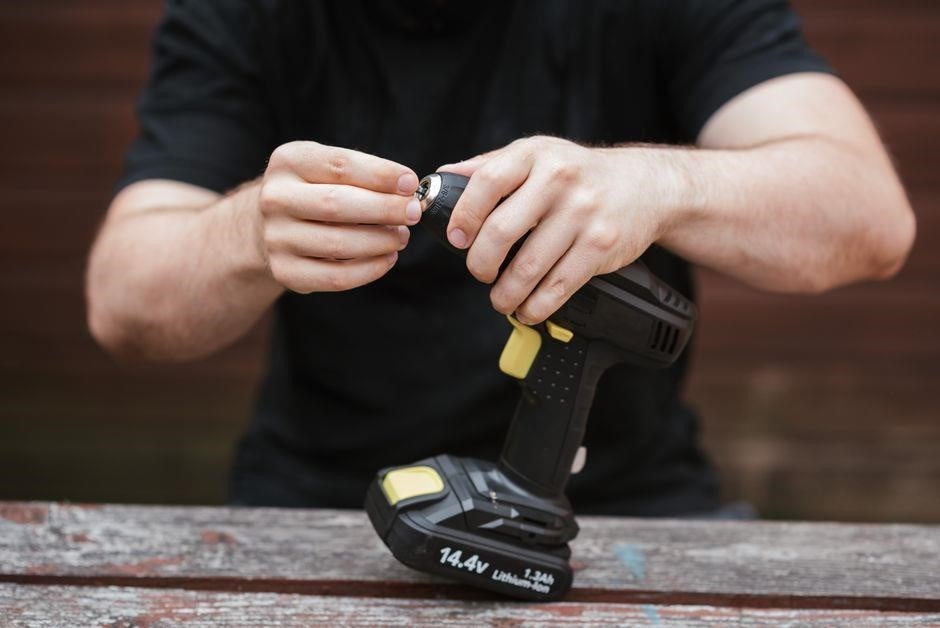
Clean the booster’s connector with a dry cloth, inspect for corrosion, and store in a cool, dry place․ Avoid moisture and extreme temperatures․ Periodically test battery performance; replace if voltage drops below 80%․ Keep the unit in its original pouch when not in use․ Store safely․
Cleaning and Storage
To keep the Black Decker P2G7B Ion Battery Booster running, unplug it from power and disconnect the battery․ Use a soft, lint‑free cloth lightly dampened with distilled water or a mild cleaner to wipe the exterior, paying special attention to the charging contacts and protective cover․ Avoid harsh chemicals, abrasive pads, as these can corrode metal surfaces․ and keep it cool during use․ Reduces wear
After cleaning, dry the unit thoroughly with a clean, dry cloth․ Inspect the connector pins for any signs of oxidation or debris; if you notice buildup, gently remove it with a cotton swab lightly moistened with isopropyl alcohol (70 % or less)․ Never apply alcohol directly to the contacts; only use it on the swab to avoid liquid seeping into the housing․
When the booster is not in use, store it in a cool, dry environment, away from direct sunlight, high humidity, or extreme temperatures․ The recommended storage temperature is between 5 °C and 35 °C (41 °F–95 °F)․ Place the booster in its original packaging or a protective case to shield it from dust and accidental impacts․ Avoid stacking heavy objects on top of the unit, as the internal components are sensitive to pressure․
For long‑term storage (more than six months), consider removing the battery and storing it separately in a cool, dry place․ This reduces the risk of internal corrosion and preserves the battery’s health․ When you’re ready to use the booster again, re‑insert the battery, ensure all contacts are clean, and perform a quick charge cycle before operating․
Troubleshooting Common Issues
Check battery alignment, ensure contacts are clean, and confirm the booster is fully charged․ If the tool won’t power, reset the unit by disconnecting the battery, waiting 30 s, then reconnecting․ Contact support if problems persist․ Refer to the manual for help․!!!

Battery Life Problems
When the Black Decker P2G7B Ion Battery Booster fails to extend runtime,begin with a systematic check․ First,verify that the booster is fully charged; the indicator light should read green for a full charge․ If the light flashes amber,then the unit requires recharging․ Next,inspect the battery contacts for corrosion,or debris․ Clean with a dry microfiber cloth or a cotton swab lightly dampened with isopropyl alcohol,then re‑insert the battery․ Ensure the battery is seated correctly; a misaligned connector can cause intermittent power delivery․ If the booster still does not provide the advertised 20 % runtime increase,then test the original battery in a different tool to confirm it is functioning; A degraded battery will not benefit from the booster․ For tools that support dual‑mode operation, confirm that the tool’s settings are set to “boost” mode; some models default to “standard” mode when a booster is attached․ If the tool’s firmware is outdated,update it via the manufacturer’s support portal; firmware bugs can affect power management․ Finally, examine the booster’s internal fuse; a blown fuse will cut power entirely․ Replace the fuse with the same rating (typically 5 A) if accessible․ If all steps fail,contact Black Decker support for diagnostics warranty․ For extended assistance, visit the official Black Decker website or call the customer service hotline․ Warranty claims can be processed within 30 days of purchase,provided the original receipt is available․ Contact support for assistance․ Help․
Warranty & Support
Black Decker’s 2‑year limited warranty covers manufacturing defects․ Register within 30 days․ For claims, email support@blackdecker․com or call 1‑800‑BLACK‑DECK․ Provide serial number and return unit in original packaging․ Warranty expires after 2 years․ Contact support․ ASAP!!
How to Claim Warranty
To claim your Black Decker P2G7B Ion Battery Booster warranty, first verify the purchase date and ensure it falls within the 2‑year coverage period․ Locate the serial number on the unit’s base plate and the original receipt․ Register online at the official Black Decker website by navigating to the Warranty Registration page, entering your serial number, purchase details, and contact information․ Once registered, you will receive a confirmation email with a unique claim reference․ If you encounter a defect, contact customer service at 1‑800‑BLACK‑DECK or email support@blackdecker․com․ Provide the claim reference, serial number, and a detailed description of the issue․ You may be asked to ship the unit back in its original packaging; use the prepaid shipping label provided by Black Decker․ Upon receipt, the service center will inspect the product and, if covered, repair or replace it at no cost․ All replacements will be shipped within 7–10 business days․ If you prefer a refund, the same process applies, but the refund will be issued to the original payment method․ Keep all correspondence and tracking numbers for future reference․
Additionally, Black Decker offers a 30‑day return policy for non‑defective units, allowing customers to return the booster for a full refund if it does not meet expectations․ For expedited service, customers may opt for the premium repair program, which guarantees a 48‑hour turnaround on most repairs․ All communications are logged in the customer portal for easy tracking․ Claims processed daily within 48 hours․