Understanding Snowboard Size Basics
Snowboard size hinges on length‚ width‚ and flex. A ‘W’ marks a wide board‚ usually over 25.5 cm at the center‚ and boards widen as they lengthen. While no strict shoe‑size rule exists‚ riders with US 11+ boots often prefer wide models for comfort. Length and weight guide sizing. Enjoy riding!!
Key Dimensions: Length‚ Width‚ and Flex
Length is the most obvious dimension of a snowboard‚ measured from tip to tail. A longer board gives a larger turning radius and more float in powder‚ but it also requires more effort to initiate turns and can feel sluggish in tight park features. A shorter board offers quicker edge‑to‑edge transitions and easier spin tricks‚ yet it may wobble at high speed and provide less stability on steep slopes. Width‚ measured at the board’s center‚ determines how much of the boot sits on the board and how much edge is exposed. Wide boards‚ marked with a “W” and typically over 25.5 cm at the center‚ reduce the risk of toe‑ or heel‑drag for riders with larger feet and provide a broader platform for better balance. They also increase the board’s surface area‚ improving float in deep snow‚ but can add weight and reduce agility. Flex describes the board’s stiffness‚ rated from soft to stiff on a scale. A softer flex allows the board to bend easily‚ making it ideal for freestyle tricks and softer snow‚ while a stiffer flex delivers stronger edge grip and better responsiveness at speed‚ benefiting all‑mountain and aggressive riders. Flex also interacts with rider weight and stance; heavier riders often prefer a stiffer board to maintain control‚ whereas lighter riders may choose a softer flex for easier pop. Balancing length‚ width‚ and flex is essential for a harmonious ride‚ ensuring that the board’s geometry matches the rider’s body and the terrain they intend to tackle. It guarantees a smooth‚ confident ride for every run.
Height-Based Sizing Guidelines
Height is a primary factor: board tip should sit between chin and nose. For a 5’8″ rider‚ choose 155‑160 cm. For taller riders need 165‑170 cm; shorter riders 150‑155 cm. Adjust for stance width and riding style for optimal performance.
Choose a board length that feels your stance today.!
Snowboard size is defined by length‚ width‚ and flex. A ‘W’ indicates a wide board‚ usually over 25.5 cm at the center‚ and width increases with length. While no strict shoe‑size rule exists‚ riders with US 11+ boots often find wide models more comfortable. Length and weight guide sizing.
Snowboard length is often chosen so the tip sits between the rider’s chin and the middle of the nose. For a 5’8″ rider‚ a 155‑160 cm board is typical. Taller riders may need 165‑170 cm‚ while shorter riders fit best with 150‑155 cm. Adjust for stance width and riding style for optimal performance.
Board Length Recommendations for Different Heights
Snowboard length is often chosen so the tip sits between the rider’s chin and the middle of the nose. For a 5’8″ rider‚ a 155‑160 cm board is typical. Taller riders may need 165‑170 cm‚ while shorter riders fit best with 150‑155 cm. Adjust for stance width and riding style for optimal performance.
Weight-Influenced Size Selection
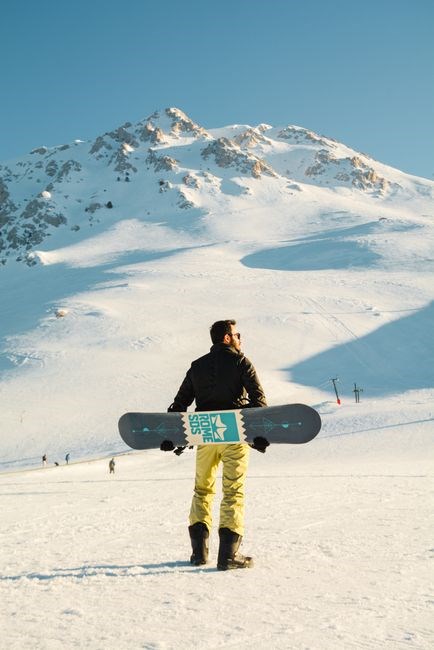
Weight affects board stiffness and performance. Heavier riders benefit from stiffer boards that resist flex‚ while lighter riders may prefer softer boards for better control. Flex rating‚ ranging from soft to stiff‚ affects how the board responds to pressure and is crucial for matching rider weight and style.
Boot Size and Width Compatibility
Width is measured at the board’s center; a wider board provides more stability at speeds and powder. Width is measured at the board’s center; a wider board provides more stability at speeds and powder.
Riding Style and Its Impact on Board Choice
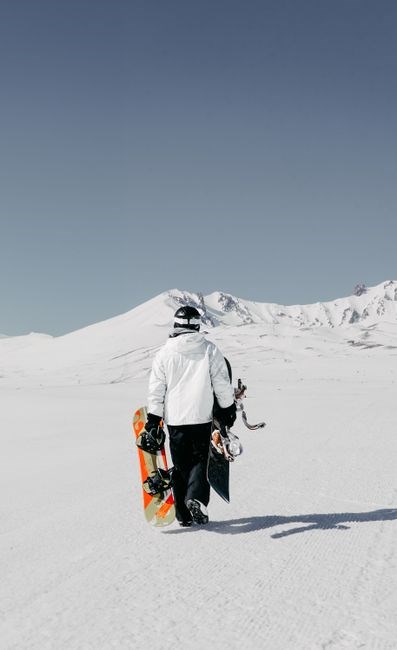
Freestyle riders often choose shorter boards for easier tricks‚ while all‑mountain riders may opt for medium length. Powder riders benefit from longer boards that float better. Flex rating‚ ranging from soft to stiff‚ affects how the board responds to pressure and is crucial for matching rider weight and style.
Bindings Placement and Its Effect on Performance
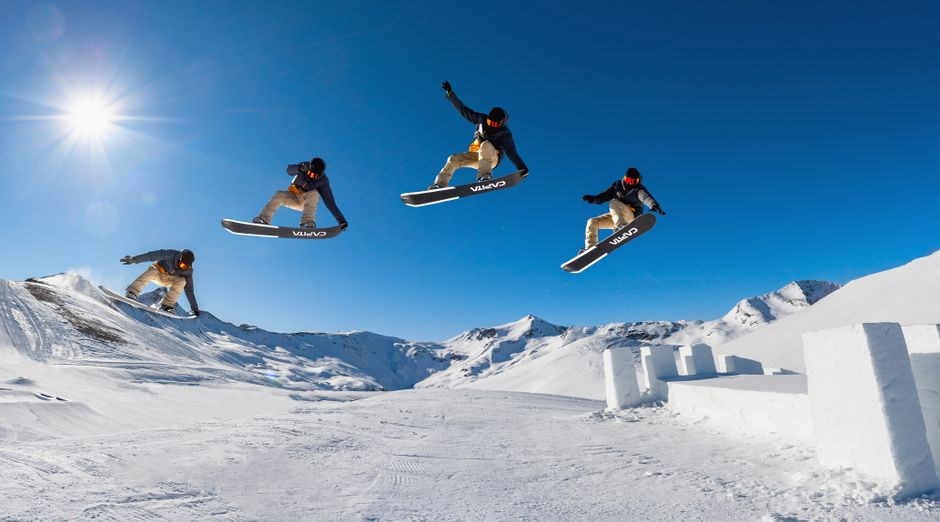
Optimal stance width and angle depend on board size. Wider boards allow for a broader stance‚ enhancing stability‚ while narrower boards favor agility. Adjust bindings to match your preferred riding style and board dimensions.
Terrain and Snow Conditions Considerations
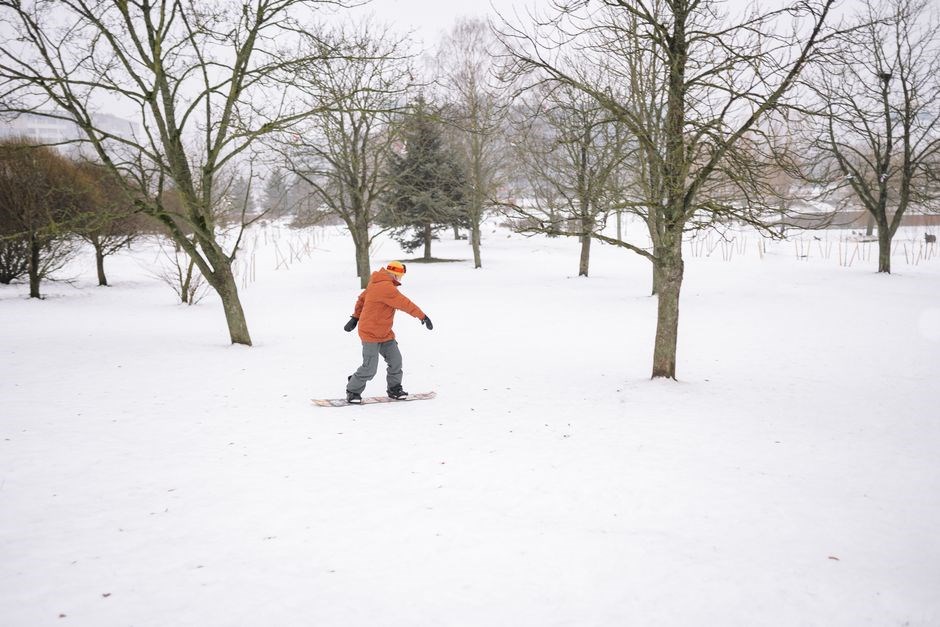
Choosing the board size means considering terrain: groomed runs‚ park‚ or deep powder and snow condition!
Using Sizing Charts and Conversion Tables
Interpreting manufacturer size charts accurately ensures a proper fit. Use conversion tables to match board length‚ width‚ and flex to your height‚ weight‚ and boot size for a balanced‚ responsive ride.
Weight dictates board stiffness: heavier riders need stiffer boards to prevent bottom‑out‚ while lighter riders benefit from softer flex for better control. Matching flex to body weight ensures optimal edge hold‚ pop‚ and stability across varied terrain. Tailor flex to your weight for turn now.
How Body Weight Affects Board Stiffness and Performance
Body weight is a decisive factor in selecting a snowboard’s flex profile‚ as it directly influences how the board reacts under load. Heavier riders generate greater forces on the board’s edges and base‚ which can cause softer‑flex boards to bottom out or lose edge hold during aggressive carving. Consequently‚ a stiffer board is recommended for those above the average weight range; it offers a more rigid platform that resists excessive flex‚ maintains edge contact‚ and delivers a responsive feel at high speeds. In contrast‚ lighter riders benefit from a softer flex‚ which enhances the board’s ability to flex and return to its original shape‚ improving pop on jumps and providing a more forgiving feel on rails and in park features. The stiffness also affects how the board distributes weight across the binding positions; a board with a balanced flex will allow even weight transfer‚ ensuring consistent performance whether riding in the park‚ on groomed runs‚ or in powder. Manufacturers often provide flex ratings (soft‚ medium‚ stiff) that correlate with weight ranges; matching your weight to the appropriate rating ensures that the board’s structural integrity aligns with the forces you apply. Additionally‚ the board’s core material and construction—such as wood cores‚ composite layers‚ or carbon inserts—play a role in modulating stiffness. A board designed for heavier riders may incorporate denser cores or reinforced layers to increase rigidity without adding excessive weight. When selecting a board‚ it is essential to consider not only the raw weight but also the riding style and terrain preferences‚ as these factors interact with flex to shape overall performance. By aligning your body weight with a board’s flex characteristics‚ you can achieve optimal edge control‚ stability‚ and responsiveness‚ thereby maximizing enjoyment and safety on the slopes.
Boot width matters: a board’s width should match your boot size to avoid toe/heel drag. Wide boards (over 25.5 cm) suit larger feet‚ especially US 11+. Width grows with length‚ but no strict rule; choose a board that comfortably fits your boot for optimal control. Proper fit boosts control.!!!
Choosing a Wide Board for Larger Foot Sizes (US 11+)
When your boot reaches US 11 or larger‚ a standard‑width board can cause toe or heel drag‚ compromising edge control and stability. Wide models‚ marked with a “W” and typically over 25.5 cm at the center‚ spread the board’s surface area‚ giving you a broader base that accommodates a larger foot without compromising stance width. The increased width also reduces the likelihood of the board’s edges catching on the snow when you shift weight‚ which is especially useful in park or powder where quick‚ wide turns are common. Additionally‚ wide boards tend to have a slightly softer flex at the tail‚ allowing more forgiveness for casual riders who might otherwise feel the board’s stiffness. When selecting a wide board‚ consider the overall length: a longer board will also be wider‚ but a dedicated wide model will be engineered to maintain performance characteristics such as rocker profile and camber. Pairing a wide board with boots that have a snug fit and proper arch support ensures that the rider’s weight is evenly distributed‚ reducing fatigue and improving responsiveness. Finally‚ always test the board’s width in a demo or by measuring the board’s waist against your boot’s width; a good rule of thumb is that the board’s waist should be at least 2 cm wider than your boot’s width to avoid drag while maintaining a stable stance. Manufacturers often provide width charts that correlate boot sizes to recommended board widths. For example‚ a US 11 boot typically aligns with a board waist of 25.5–26.5 cm. If your boot is even larger‚ a board with a 27 cm waist may be preferable. Keep in mind that the board’s edge‑to‑edge width also influences how the board will perform in different snow conditions; a wider board offers better float in powder but may feel less agile on groomers. Balancing these factors is key to achieving a board that feels both stable and responsive. When in doubt‚ consult a knowledgeable retailer or try a demo board before making a purchase‚ as personal comfort and riding style ultimately determine the best width for you.
Freestyle riders favor shorter‚ lighter boards for quick spins and rail tricks. All‑mountain riders opt for mid‑length boards offering a balance of stability and maneuverability. Powder enthusiasts choose longer‚ wider boards to float on deep snow. Riders choose length to skill‚ conf! ride now.!
Freestyle vs All-Mountain vs Powder: Length and Width Preferences
Freestyle boards are typically 10–15 cm shorter than the rider’s height‚ offering quick response and a lighter feel for tricks. They are narrower‚ around 25–26 cm at the waist‚ to reduce drag on rails and boxes. All‑mountain boards sit between 5–10 cm shorter than height‚ balancing edge control and float. Widths range 26–27 cm‚ giving versatility on groomers and light powder. Powder boards are longer‚ often 15–20 cm below the rider’s height‚ to increase surface area for flotation. They are wider‚ 27–28 cm or more‚ and have a softer flex to support deep snow. Choosing the right length and width depends on terrain‚ skill‚ and personal preference. Shorter‚ narrower boards excel in parks‚ while longer‚ wider boards dominate in deep snow. Balance and feel are key; test different sizes to find the best match for your style and conditions. The board’s flex rating also plays a role; stiffer boards offer sharper edge control for aggressive carving‚ while softer boards provide a forgiving feel for beginners. When selecting a board‚ always consider the manufacturer’s size chart‚ as exact dimensions can vary between models and brands. A practical tip is to test the board’s stance width and binding angles; a slightly narrower stance can improve maneuverability in parks‚ whereas a wider stance offers stability on steep runs‚ and tweak stance width for OK! Finally‚ remember comfort trumps all; adjust the flex or try a different model if needed.
Stance width and angle edge control. Narrow stance (~30–32 cm) boosts agility; wide stance (~34–36 cm) adds stability on steep runs. Forward tilt improves carving‚ but cuts float. Adjust angles to match board lengthfor optimal performance
Optimal Stance Width and Angle for Different Board Sizes
Stance width is usually expressed as a range in centimeters or inches‚ and it often correlates with board length. A general rule is to set the stance so that the center of each foot aligns roughly with the board’s centerline. For a 155 cm board‚ a 30–32 cm stance works well; a 165 cm board calls for 32–34 cm; a 175 cm board benefits from 34–36 cm. Wider stances increase stability on steep terrain and during high‑speed carving‚ while narrower stances improve maneuverability in the park and on tight turns. Choosing a stance width that matches your body’s hip width enhances balance and reduces fatigue during long runs every day. Keep your balance!
Angles are set to balance power transfer and control. The front boot is typically angled between 15° and 18°‚ giving a forward‑leaning stance that aids carving and edge control. The rear boot is usually set between 0° and 6°‚ keeping the tail responsive. Freestyle riders often use 12°–15° front and 0°–3° rear; all‑mountain riders prefer 16°–18° front and 2°–4° rear. Powder riders may opt for a more forward stance‚ around 18°–20° front‚ to keep the nose up. A stance width that promotes stability‚ reduces joint strain‚ and improves control‚ especially on steep terrain during long runs!?
Adjustments should be made based on comfort‚ riding style‚ and the board’s flex. A stiffer board may benefit from a wider stance to distribute weight‚ while a softer board can handle a narrower stance without losing control. Always test few setups on slope before committing to a final stance for safety and control.
For park terrain‚ a shorter‚ lighter board offers quick turns and easier tricks. Groomed runs favor medium length for stability and edge control. Powder demands a longer‚ wider board to float; a wide model (>25.5 cm) helps with larger boots (US 11+). Adjust width to snow depth. Ideal for all conditions.
Choosing Size for Park‚ Groomed Runs‚ and Powder
Choosing the right board for each terrain type is essential for optimal performance and enjoyment. In the park‚ a shorter board—typically 10–15 cm shorter than your height—offers quick edge changes and easier spin tricks. The reduced length also makes it lighter‚ so you can lift and land more comfortably. For groomed runs‚ a medium‑length board that sits between your chin and nose provides a balance between stability and maneuverability. This length allows you to maintain edge control while still being responsive enough for carving turns. Powder riding demands a longer‚ wider board. A board that extends 5–10 cm beyond your height‚ coupled with a width over 25.5 cm at the center‚ will give you the necessary floatation on deep snow. Riders with US 11+ boots benefit from the wider stance‚ reducing the risk of toe or heel drag.
Choose a twin shape and lightweight build for park boards; the twin profile allows symmetrical rail and box tricks. Groomed boards feature a directional shape with a slightly tapered tail for stability at speed. Powder boards often have a rocker profile to keep the nose up and prevent edge catch in deep snow. Match board length to your weight: heavier riders may need a longer board‚ while lighter riders can opt for a shorter one to stay agile. Test stance width by aligning bindings with boot length for optimal control. Enjoy the ride‚ stay comfortable‚ ride safely! Enjoy! Go! Ok?
Refer to manufacturer sizing charts: match height‚ weight‚ boot size. Convert inches to centimeters (1 in = 2.54 cm); Wide models (W) exceed 25.5 cm at the center. Align stance width with boot length for optimal control. Verify flex rating matches skill level. Test fit before purchase. Enjoy!!.
Interpreting Manufacturer Size Charts for Accurate Fit
When consulting a brand’s sizing chart‚ start with the rider’s height and weight‚ the two most common columns. The chart will list a recommended board length in inches or centimeters; convert inches to centimeters by multiplying by 2.54 if needed. Next‚ check the boot size column. If you wear a US 11 or larger‚ look for a “W” or wide designation‚ which usually means the board’s center width exceeds 25.5 cm. Wide boards provide a larger platform for larger feet and reduce toe‑and‑heel drag. Flex ratings are also listed; a stiffer flex suits heavier riders and aggressive styles‚ while a softer flex offers more play for lighter or freestyle riders. Finally‚ match the stance width on the chart to your boot length: a stance width of roughly 30–35 % of your boot length is a common rule of thumb. By aligning height‚ weight‚ boot size‚ width‚ and flex‚ you can choose a board that feels balanced and responsive on the mountain. Test the board before finalpurchase now